The OSR Movement

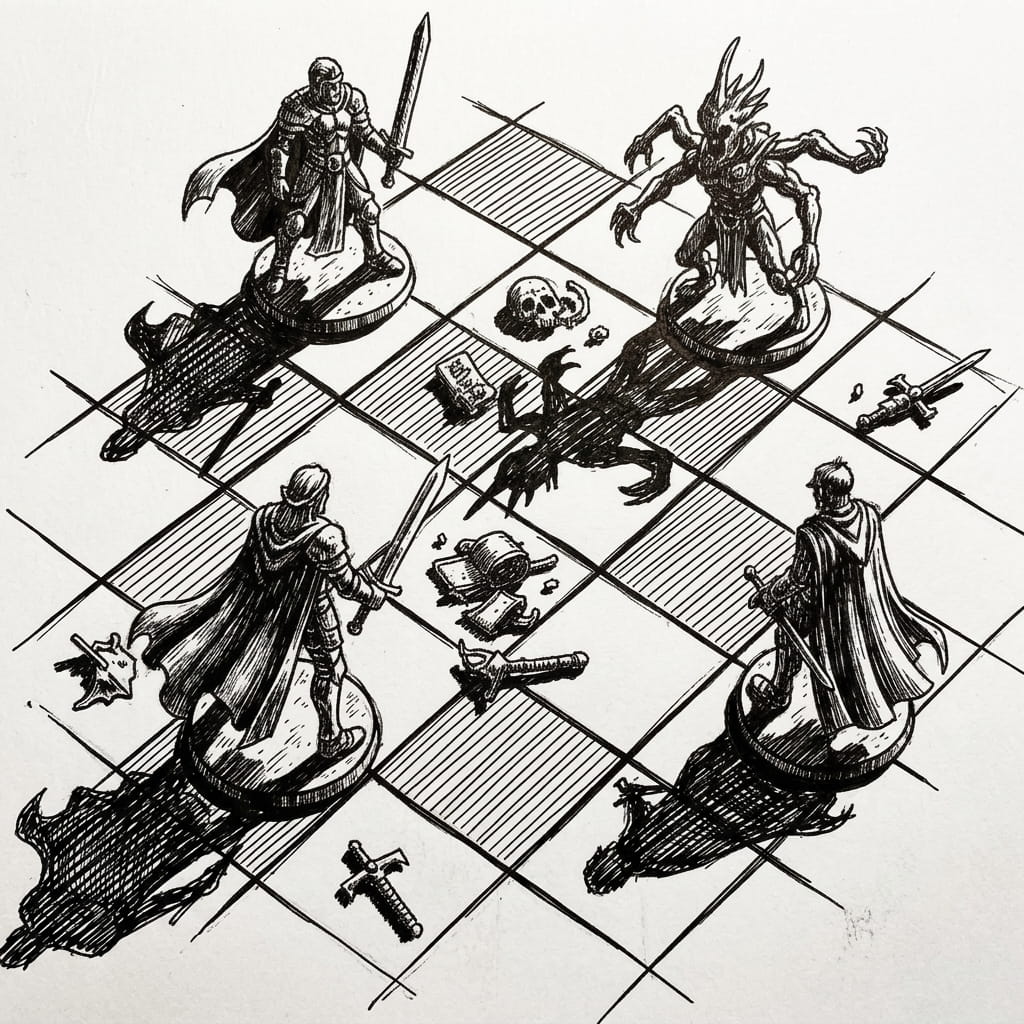
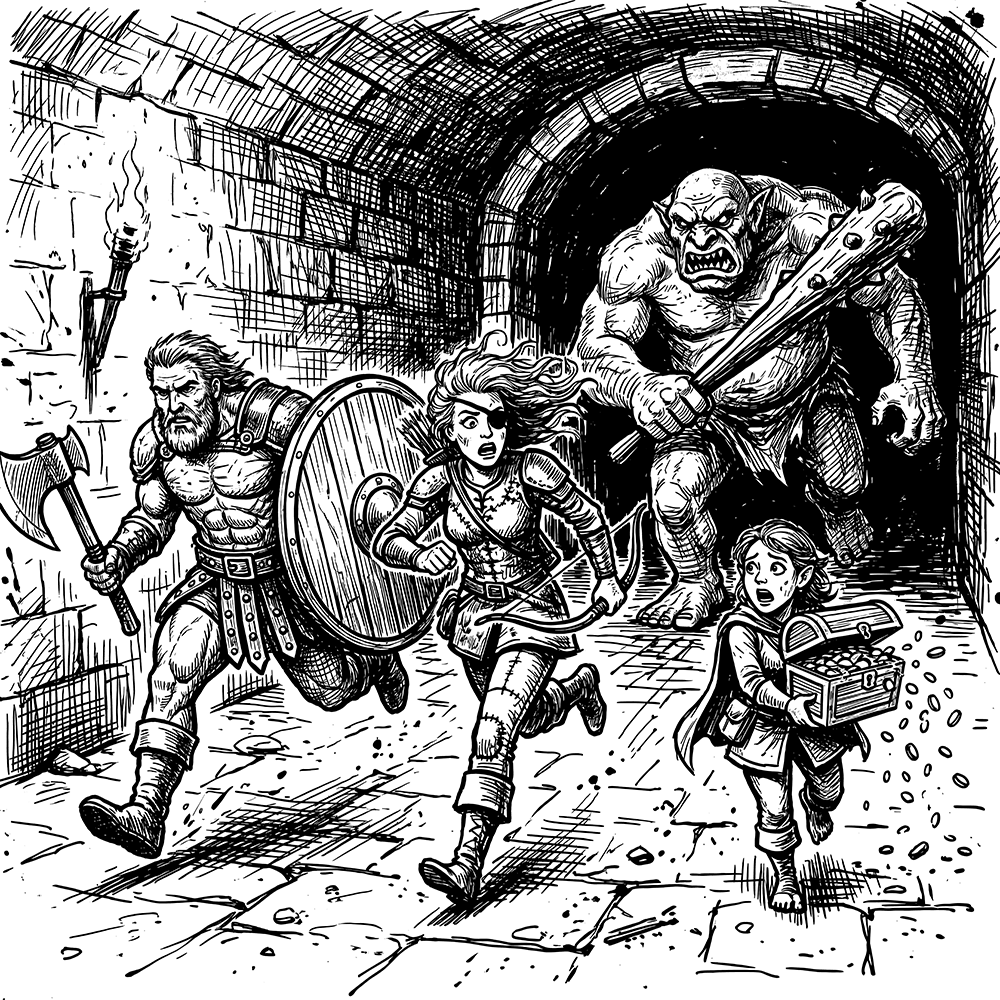
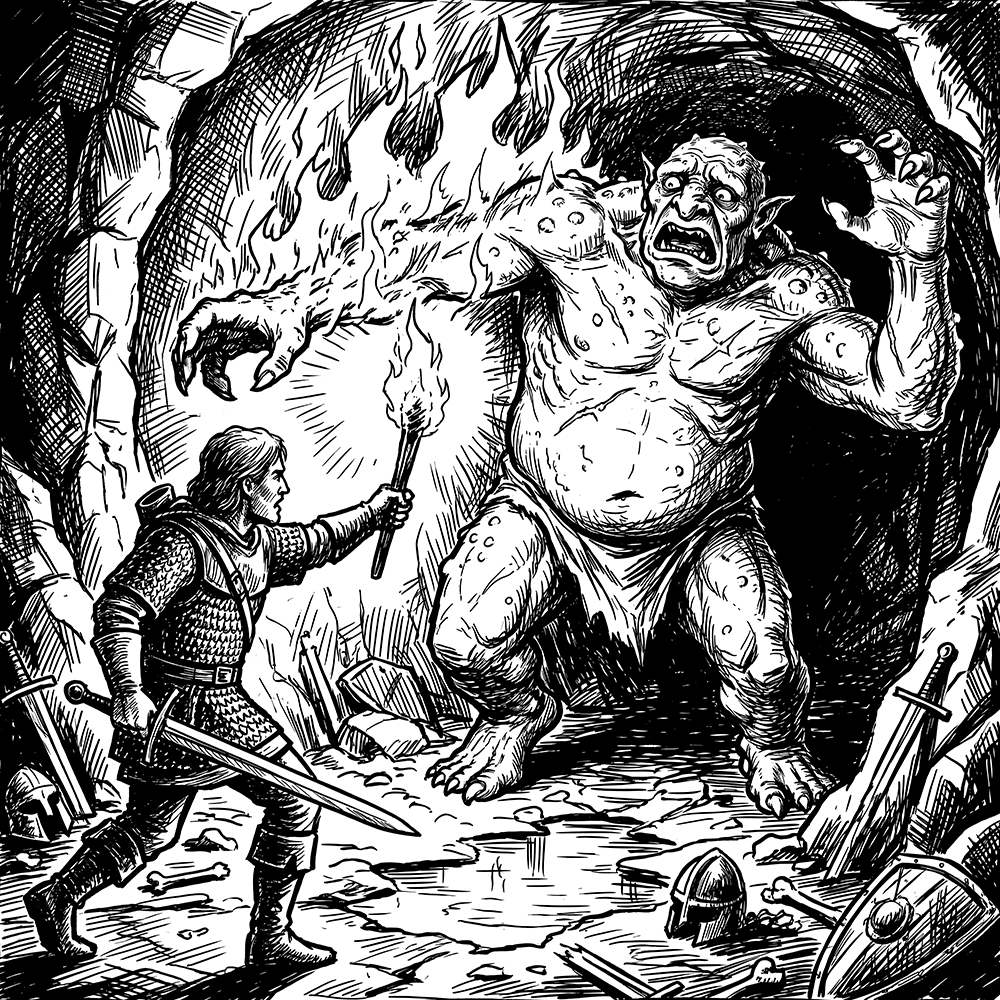
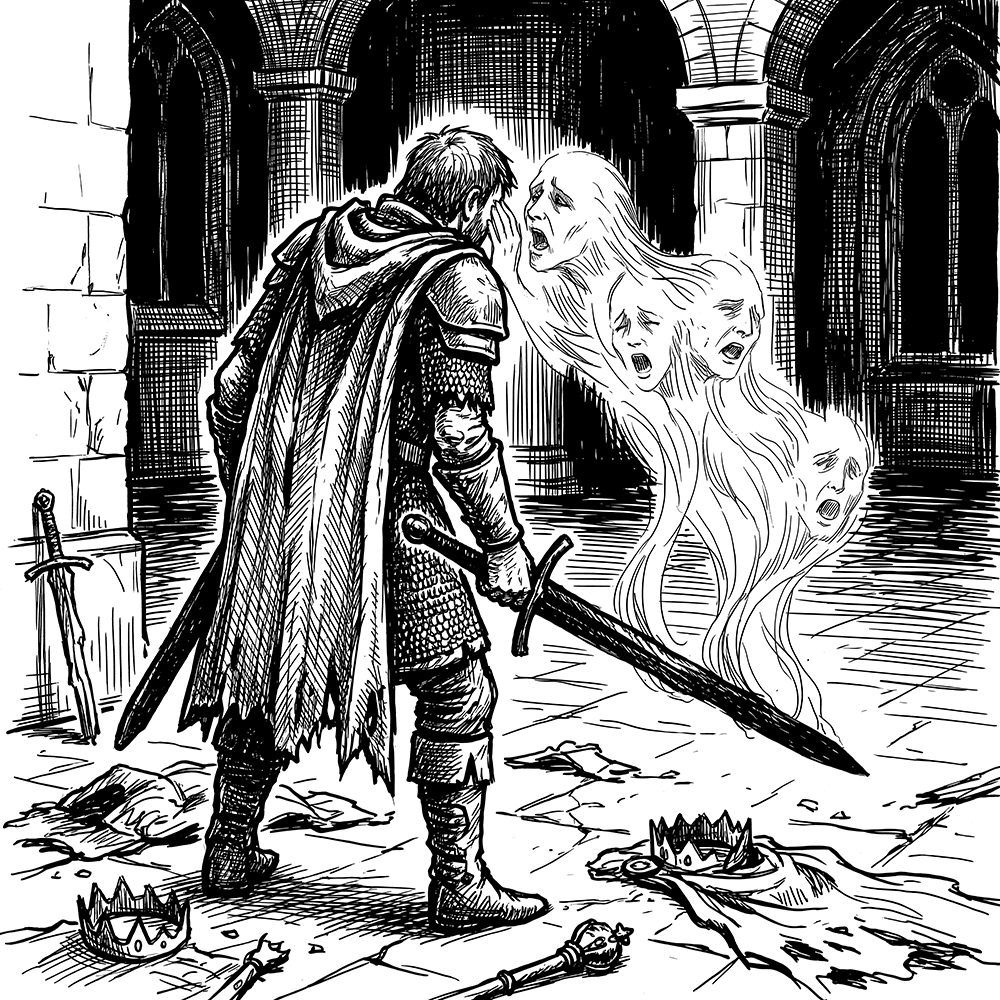
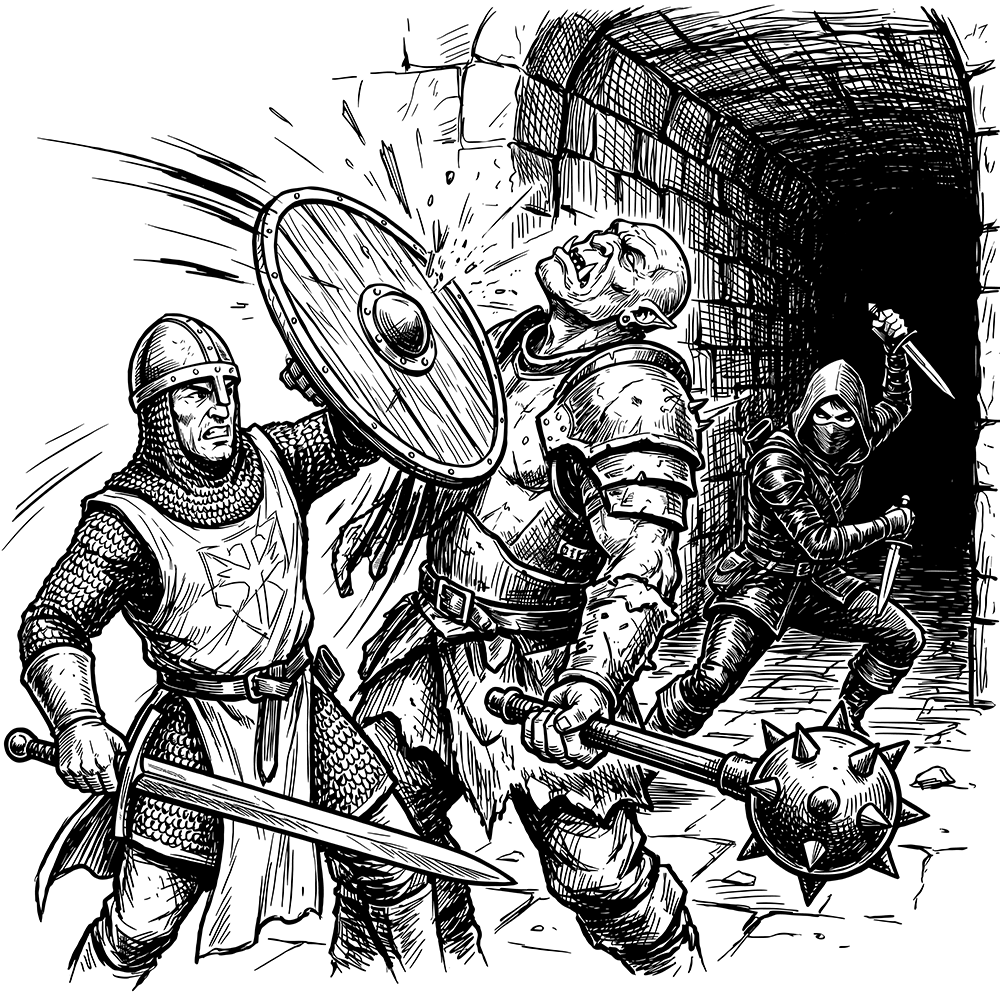
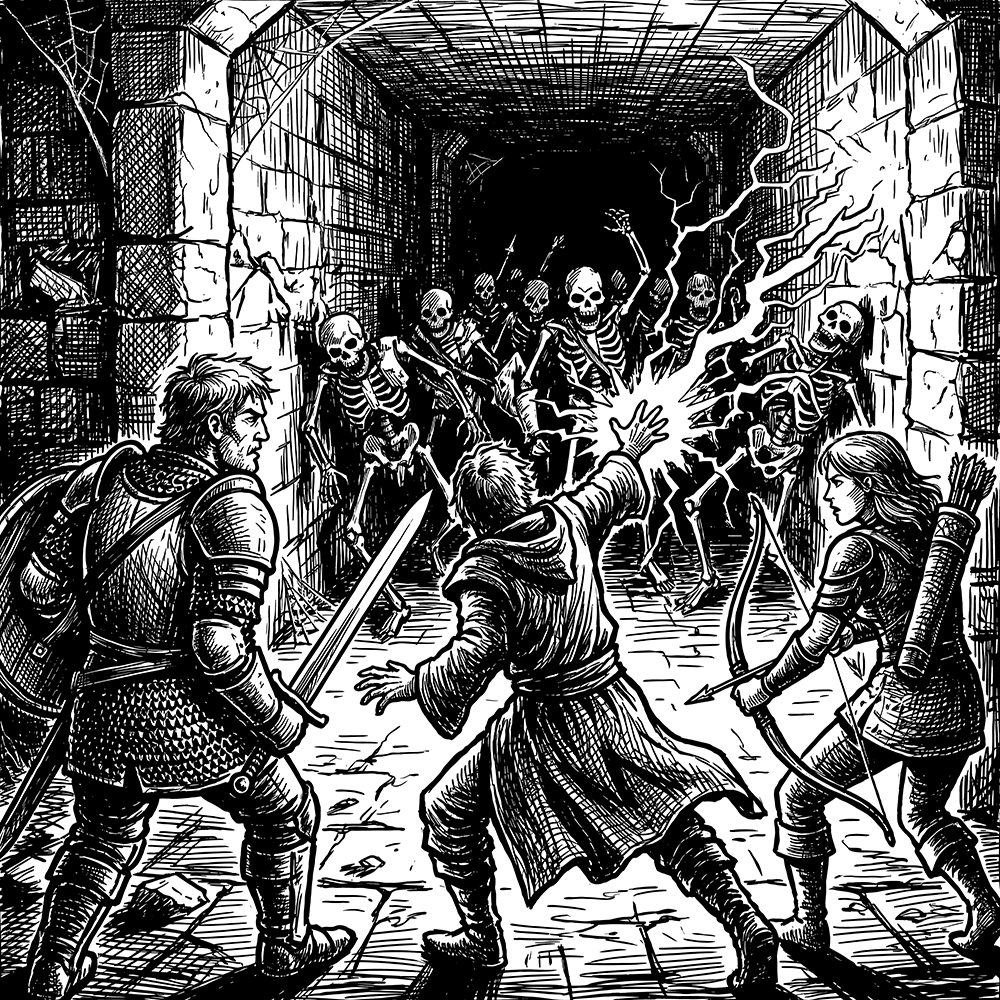
Old School Renaissance (OSR) is a movement that seeks to revive the philosophy of early RPGs, prioritizing exploration and player freedom over complex rules. More than just nostalgia, it functions as a creative laboratory, using the principles of the past to innovate and create new and vibrant experiences.

Read more

OSR Saved My RPG

The author reminisces about his RPG journey since 1995, going through systems like D&D and GURPS, until a hiatus and return that didn't bring the same joy. The discovery of the OSR (Old School Renaissance) movement made him rediscover the essence of the hobby, prioritizing creative arbitration over complex rules and escaping the "Rambo" mentality in games.

Read more

D&D and Video Games

Dungeons & Dragons not only inspired the first electronic RPGs, but also provided the mechanical and thematic foundation that defined the genre. Attributes, level up, and the D&D bestiary were directly translated into code, creating the framework for titles like Ultima and Wizardry.

Read more

A Brief Overview of D&D Editions

The world of RPGs was born from the imagination of visionaries like Gary Gygax and Dave Arneson, who transformed wargames into adventures of unique heroes in dungeons. From the simple "Dungeons & Dragons" box in 1974, a game with spartan rules gave rise to a global phenomenon that revolutionized entertainment.

Read more

Objective vs. Subjective Rules

The evolution of D&D marks the transition from a Dungeon Master-centered model, where creative arbitration and subjective rules prevailed, to a System-focused model with objective and comprehensive rules. This change, driven by commercial factors, transferred the complexity of the game to the Dungeon Master, transforming their role from creative narrator to rules administrator.

Read more

OSR vs. Modern RPGs: An Anatomy of Mentalities in Tabletop RPGs

The real divide between OSR and modern RPGs lies not in the rules, but in the game's mindset. While OSR focuses on player skill and an unforgiving world where success is achieved through cunning, the modern model prioritizes character competence and the construction of a collaborative, heroic narrative. Understanding these philosophies is key to aligning expectations at the table.

Read more

The Monster Is Not a Bag of Life Points

Monsters are not "bags of hit points," but ecological puzzles and unpredictable dangers. This article proposes replacing the focus on balance and tactical combat with creatures possessing unique behavior, ecology, and weaknesses. By building monsters upon narrative pillars, the Game Master transforms mechanical encounters into memorable legends and challenges of pure ingenuity.

Read more

Magical Items That Tell Stories

In Old School RPGs, a magic item shouldn't be a mere numerical bonus, but a fragment of history with a will of its own. This article proposes abandoning the generic "+1 Sword" in favor of unique artifacts, built on four pillars: origin, personality, narrative effects, and curses. Transform equipment into adventure hooks and moral dilemmas for your players.

Read more

Beyond “I Attack”

Combat in RPGs is often the peak of tension, but it can become monotonous with the repetitive cycle of dice rolls. To recapture tactical creativity without overloading the game with complex rules, this article proposes the use of dynamic maneuvers. Through attack sacrifices and opposing tests, OSR combat ceases to be an arithmetic calculation and becomes a stage for epic decisions.

Read more

Hexcrawl in the Dirty City

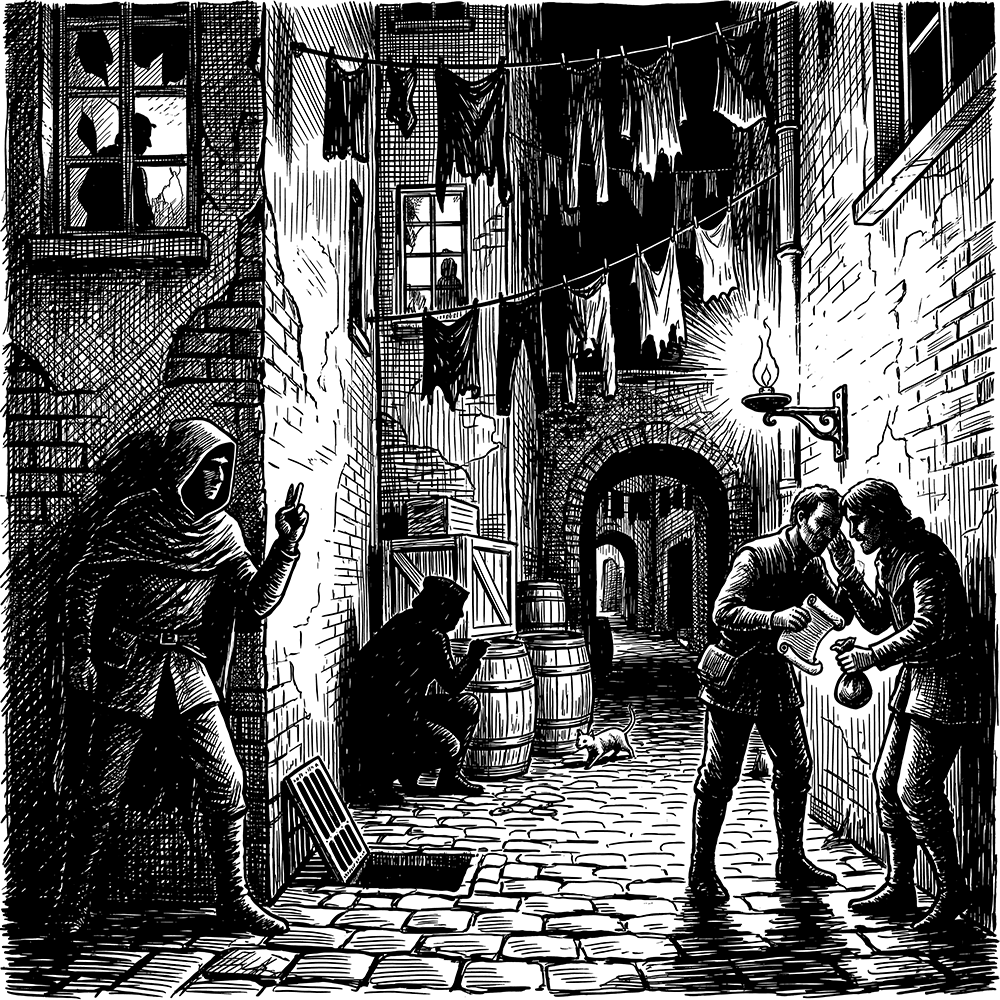
Exploring a decaying metropolis can be as dangerous as venturing into ancient dungeons. By adapting the principles of hexcrawling to the urban environment—the "Quartercrawl"—the city ceases to be a passive setting and becomes a hostile, systemic ecosystem. Focusing on living districts, resource management, and factional conflicts, this method transforms alleys and city blocks into the ultimate dungeon for OSR campaigns.

Read more

Writing an OSR Module on One Page

Creating a single-page adventure module is the ultimate expression of the OSR philosophy, prioritizing practical utility and improvisation over rigid scripts. This design discipline focuses on the essentials—Location, Threat, Treasure, and Secrets—to deliver an agile and memorable tool. The result is a robust framework that returns the narrative to the hands of those who actually play.

Read more

Mysterious Encounters in Wilderness

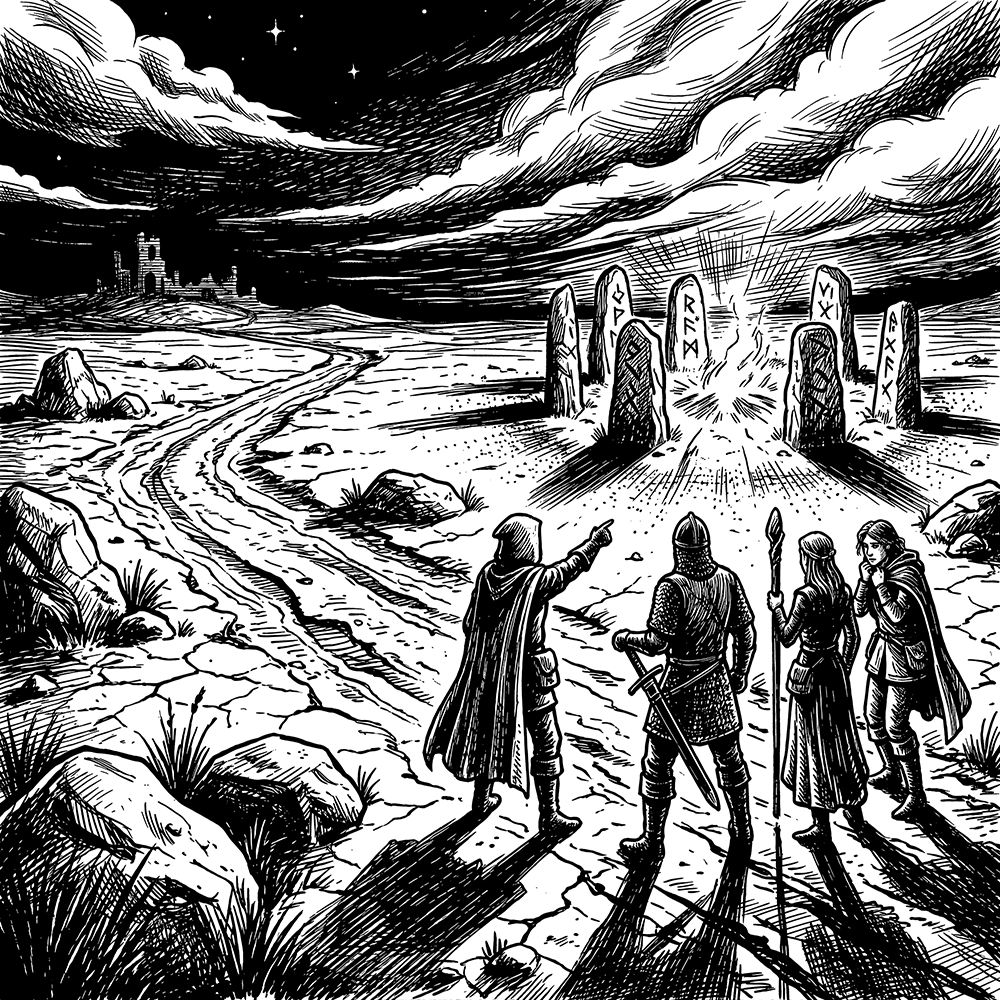
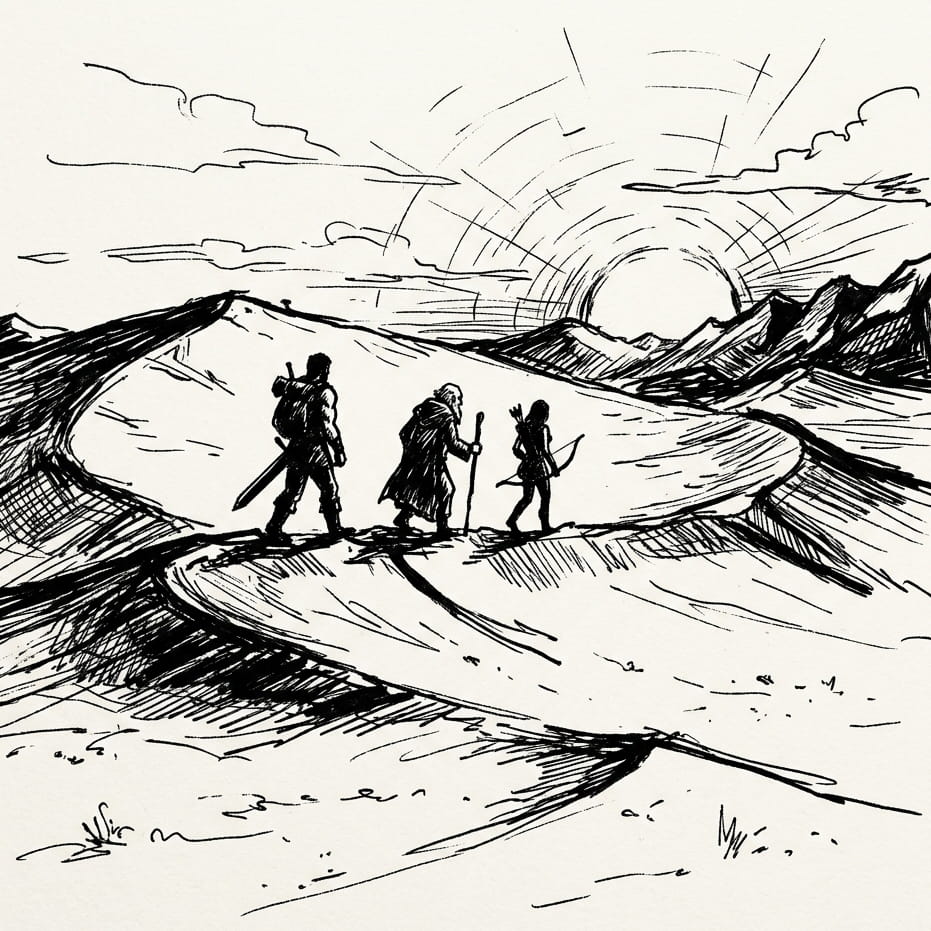
The wastelands are more than just empty spaces on the map; they are stages where mystery tests the wit and morals of adventurers. Beyond combat, this article presents ten meticulously crafted encounters that prioritize psychological suspense and investigation. From flesh alchemists to ghostly guardians, each scenario offers layers of secrets and complex decisions, transforming the journey into an unforgettable narrative experience.

Read more

Ten Mysterious Landmarks in the Outlands

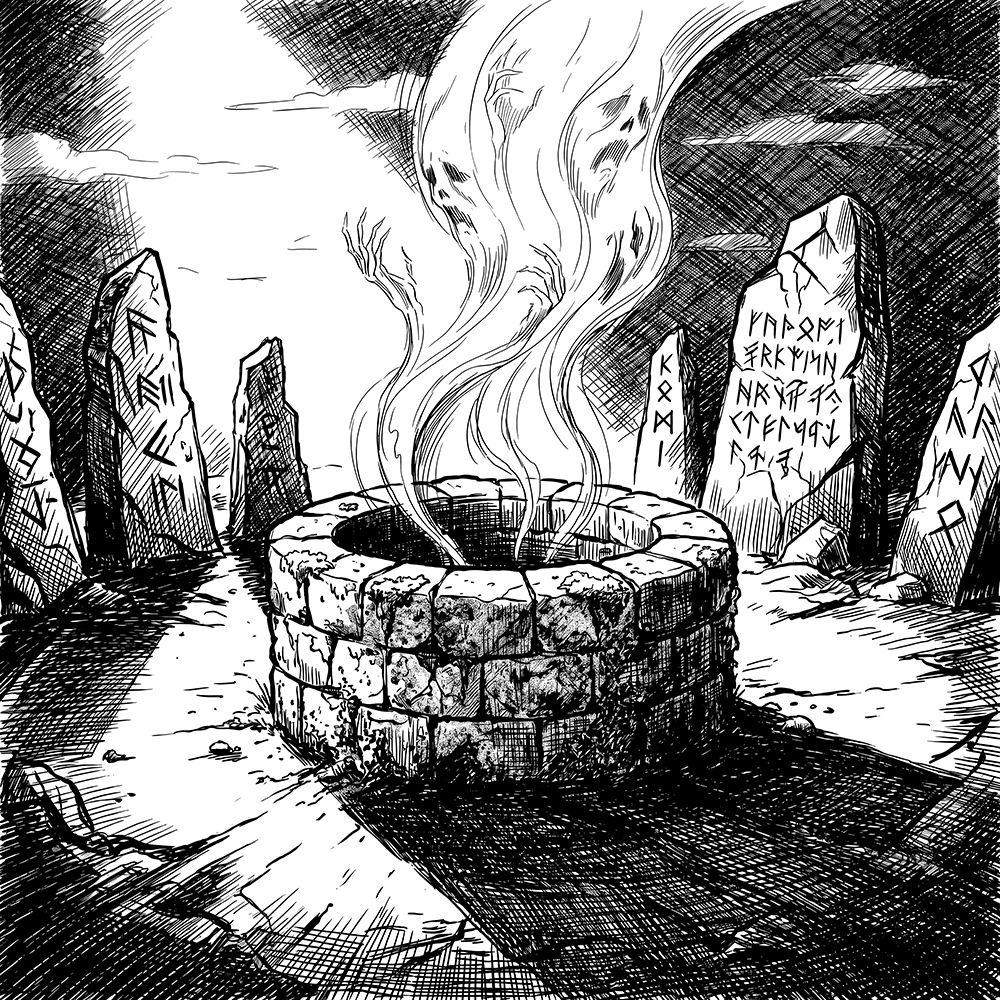
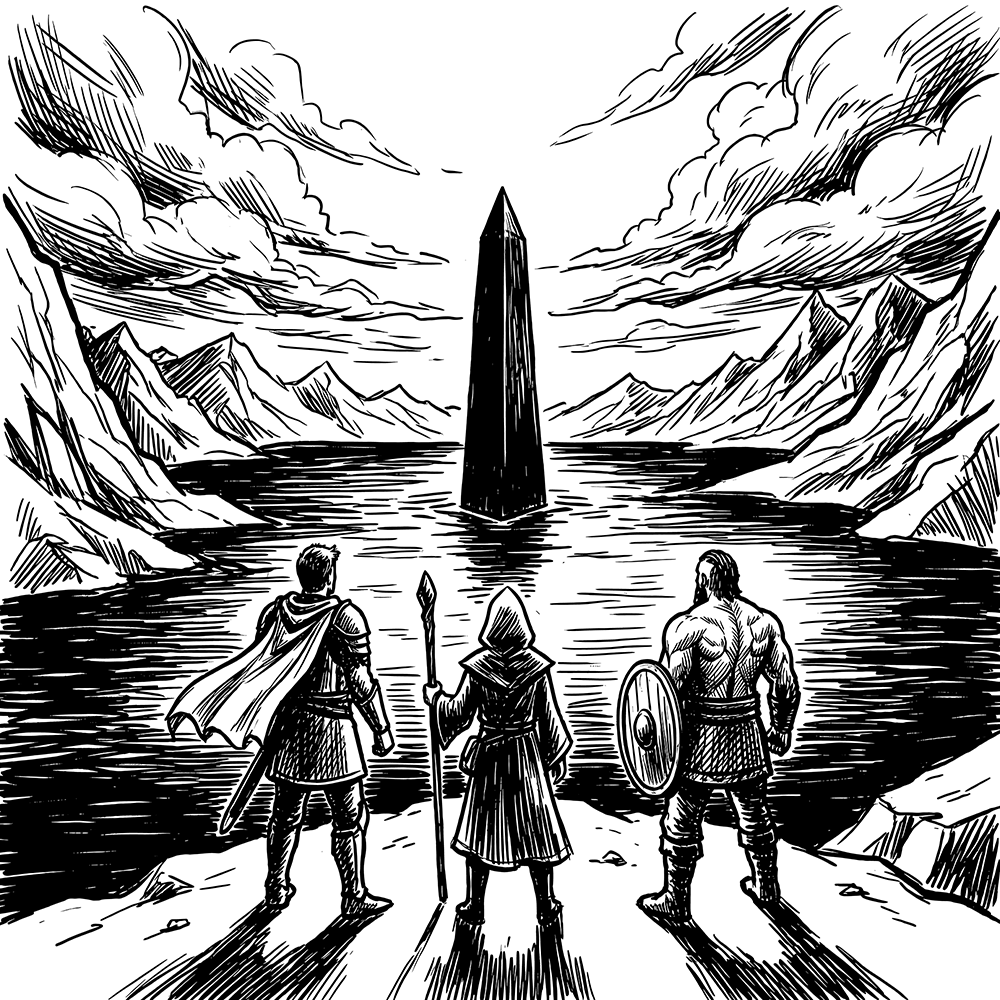
Ruins and monuments are more than just geographical landmarks; they are puzzles that hold history etched in stone. This article explores ten enigmatic structures, from obelisks that serve as prison seals to inverted cities beneath the earth. Designed for the OSR style, these constructions transform ordinary trips into archaeological expeditions filled with mystery, danger, and arcane rewards.

Read more

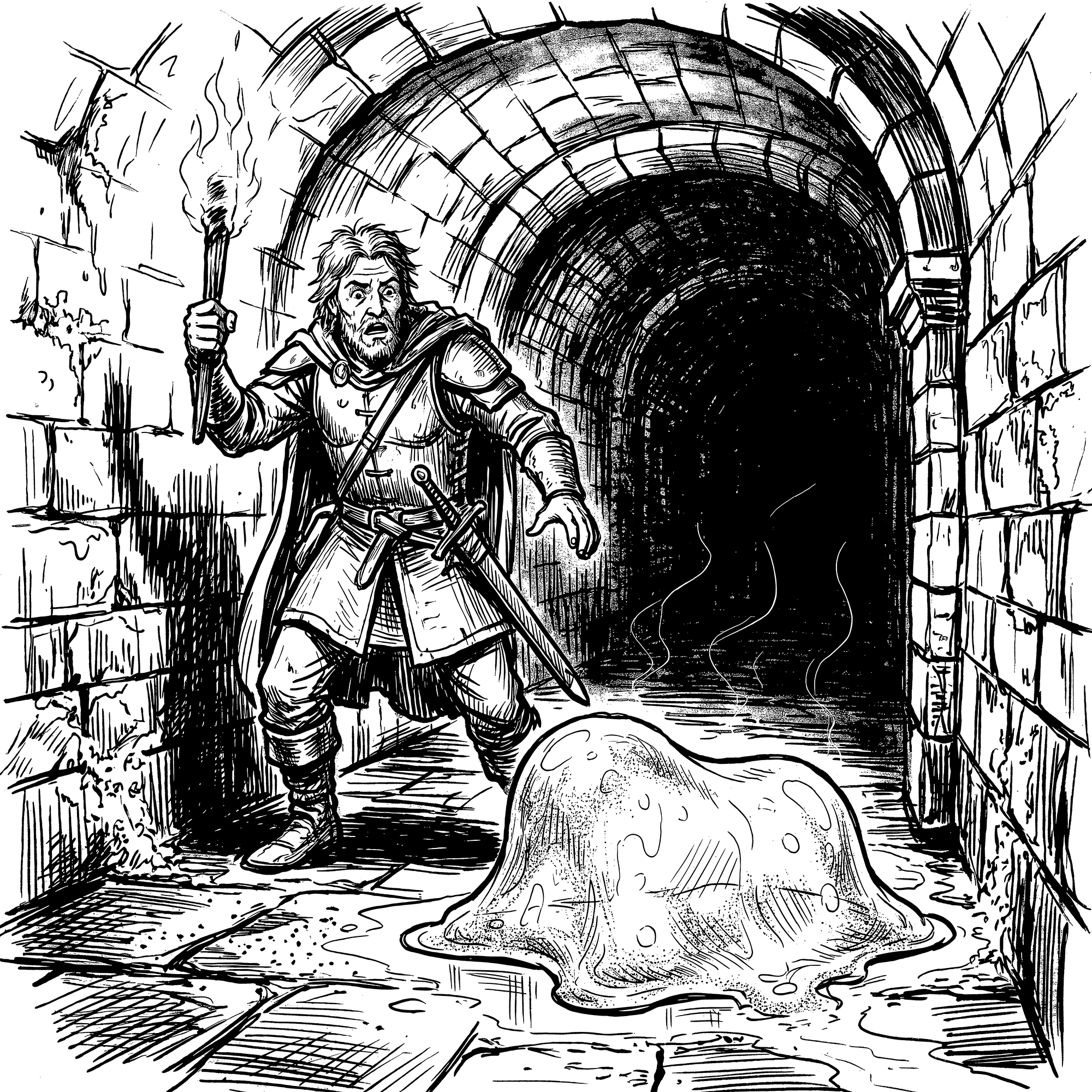
Acid Sludge Creeper

The Acidic Slime Creeper is a gelatinous mass of microorganisms attracted to heat and metal, turning swords and armor into a feast. Silent and corrosive, this semi-sentient creature challenges adventurers to preserve their equipment while exploring dungeons. This guide details how to use this organic hazard to create tactical dilemmas and precision missions in any OSR system.

Read more

An Alternative to Vancian Magic

D&D's "Vanciano" magic system turns wizards into bags of pre-selected tools. But what if magic were a living language, constructed in real time? This article explores the OSR community's attempts to transplant the fluid grammar of Ars Magica into retroclones, uniting two seemingly opposing philosophies.

Read more